6.6 - NEED A TITLE FOR THIS PAGE - Lessons Learned with this Framework? (Maybe)
What are some of the challenges, critiques or lessons learned with this framework?
One of the critiques of Black Ecologies has been the overrepresentation of voices from the US-based context. Despite this, there has been increasing efforts to grasp the entwinements of Black Ecologies across the globe with a transnational or transterritorial lens where the experience of Black ecologies beyond the US Black diaspora opens up to the simultaneity of Black and Indigenous ecologies.
Just to mention a few collections where we see more global experiences of Black ecologies:
- The Black ecologies zine includes an account of the experiences of Afromexican@s of the Costa Chica region of southern Mexico who strive to sustain themselves from freshwater lagoons that have been subject to failed tourism waterway projects, as well as, toxic agrochemical runoff from oil-crop industries.
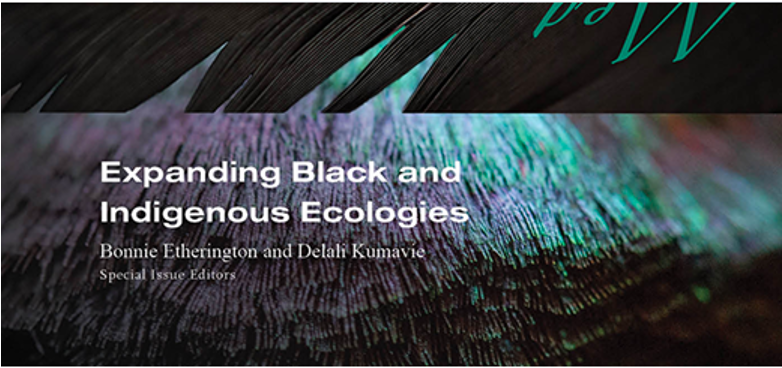
- The journal English Language Notes published a Special Issue that navigates the entwined histories of Black and Indigenous ecologies blurring territorial boundaries and expanding concepts of relationality. (Etherington and Kumavie 2024)

- The Black Pacific is another gleaming example of Black Ecologies captured through giants like native Black Pacific Islander Teresia Teaiwa (Teaiwa 2017), as well as, the millennial fire ecologies of Aboriginal peoples of so called ‘Australia’.

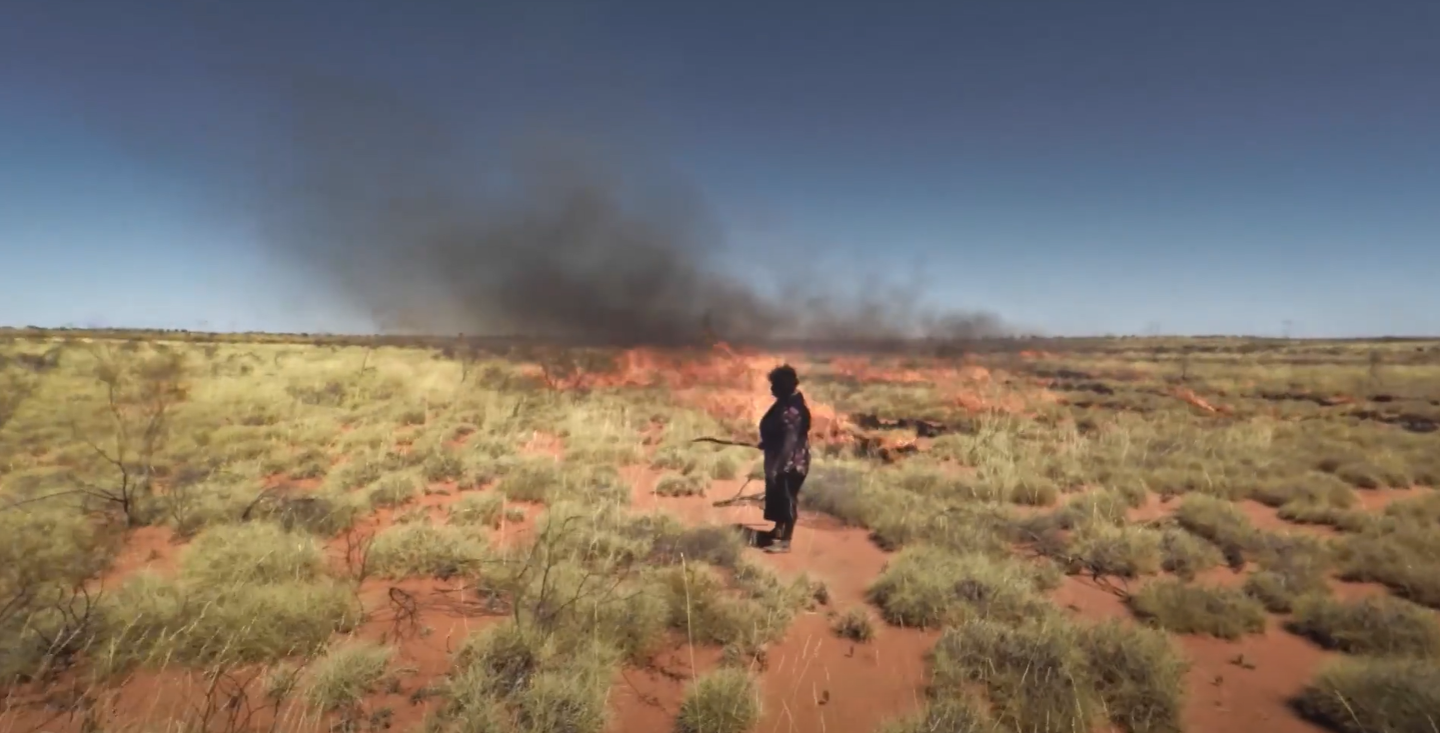
(Image is screenshot from SLICE short doc below)
Watch the following short video for a quick dive into Aboriginal fire ecologies.
How Aboriginal Australians use fire to help the ecosystem | SLICE (9:54 mins)
https://youtu.be/IXG7bSJxjIE
An additional good read is the following National geographic article “How Australia’s Aboriginal people fight fire – with fire”
- Positionality: What perspective is this video told from? Who is the intended audience?
- Positionality: How did you perceive that the different knowledge holders and practitioners are represented?
- What is the process of using fire ecology in this context (consider time of the year, size of areas targeted, who is involved, how long it takes, what plant communities are regenerated, how it affects the landscape, etc.)
- What benefits does Aboriginal fire ecology bring to people and to the environment? Are there any known drawbacks?
- What did you learn from Black fire ecologies that is new and how does it fit into or change your worldview?
Teaiwa, Teresia. “Black and Blue in the Pacific: Afro-Diasporic Women Artists on History and Blackness.” Amerasia Journal 43, no. 1 (2017): 145 –46.